
















































Binance ETH outflow CryptoQuant signals Ethereum liquidity squeeze risk
A Binance ETH outflow means ETH is leaving Binance wallets. Simple enough. Traders track it on CryptoQuant because exchange flows give a rough read on whether coins are moving toward trading desks or away from them. My take: this one is too large to wave off. CryptoQuant says more than 3,000,000 ETH, worth about $6.8b, has left Binance since the start of May. With less ETH visible on a major exchange, price moves can get sharper if buyers return.
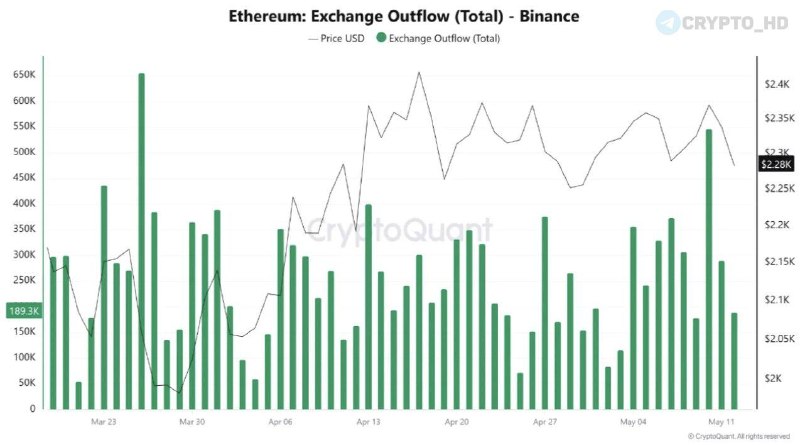
CryptoQuant puts the withdrawal at more than 3,000,000 ETH since the start of May, valued at about $6.8b. The post is brief, so I would not build a full market thesis from it. Most guides treat big exchange outflows as instantly bullish. That is only half right. Still, 3,000,000 ETH is not background noise. It says Binance’s ETH balance dropped hard in May, and traders watch ETH netflow because exchange supply can change near term sell pressure.
The market read is plain, but not clean. If Binance has less visible ETH inventory, Ethereum can become more sensitive to fresh spot demand. Why does this matter? Because thinner exchange supply can make the same buy pressure hit harder. But crypto rarely gives anyone a neat setup. ETH still trades like a macro asset when rates, dollar liquidity, and risk appetite move. If risk buyers come back while Binance spot liquidity is thinner, ETH may move faster than it would with heavier exchange balances.
An exchange outflow is not automatically bullish. I’ll be honest: that sentence should be printed above every flow chart. A withdrawal can mean custody changes, internal wallet transfers, staking preparation, treasury management, longer term holding, or less appetite to sell on Binance. Those are not the same thing. The confirmed pieces here are CryptoQuant, Binance, more than 3,000,000 ETH, about $6.8b, and the start of May. The rest is interpretation.
There is an adoption angle too, though I would keep it on a short leash. ETH is used for Ethereum fees and staking. It is also used as collateral, DeFi liquidity, and custody inventory. When more than 3,000,000 ETH leaves Binance in May, investors will ask where it went: self custody, staking, yield strategies, or institutional cold storage. Is that answer available from the source? No. The uncomfortable part is that the source does not name the destination wallets, so nobody can answer that with confidence.
Large outflows from a centralized exchange can also read as a custody risk signal. Binance is the venue. ETH is the asset. Counter to the usual advice, this is not just about price direction. Traders often separate exchange risk from protocol risk, especially after the scrutiny centralized crypto platforms have faced over the past few years. When exchange risk feels higher, self custody starts to look less like a preference and more like protection.
The BTC read-through is indirect. This CryptoQuant figure covers ETH withdrawals from Binance, not Bitcoin. Still, BTC traders may care because desks often compare ETH and BTC exchange flows to see whether capital is leaving exchanges broadly or just moving around inside crypto. Yes, that slightly contradicts the narrow ETH-only framing above. Bear with me. If ETH supply tightens while BTC remains easier to source, ETH/BTC becomes the cleaner relative trade.
What this means
The Binance ETH outflow signal says a large amount of Ethereum moved away from Binance’s visible exchange supply during May, according to CryptoQuant. More than 3,000,000 ETH, about $6.8b, has left Binance since the start of the month. For ETH, that can reduce immediate sell-side inventory on Binance and make spot order books more reactive when new demand appears. We tried to keep the read narrow here. The next thing to watch is whether CryptoQuant ETH netflow stays negative through the next daily May readings.
The takeaway is narrow but useful. ETH is the ticker, Binance is the venue, and exchange outflow is the variable. Watch the next CryptoQuant update and Binance ETH balances. Then compare ETH/BTC with the ETH technical levels traders already care about. If outflows slow or reverse after May 12, 2026, the bullish liquidity argument gets weaker. If more ETH leaves Binance, the squeeze risk gets harder to dismiss.