















































MetaMask Balance Not Showing Puts Wallet Trust Back in Focus
A MetaMask balance display issue sounds minor until it is your wallet doing it: the number on the screen does not match what you expect from blockchain or token records. MetaMask had that kind of problem, with some users seeing incorrect balances, according to the wire/TG alert. I’ll be honest: “MetaMask balance not showing” is not just a cosmetic nuisance for crypto traders. It lands at the exact moment someone may be deciding whether to move ETH, check stablecoins, adjust a DeFi position, or just sit still. The alert also skipped the five basics I would want first: when it happened, which assets were affected, where users were affected, what caused it, and how many people saw it.
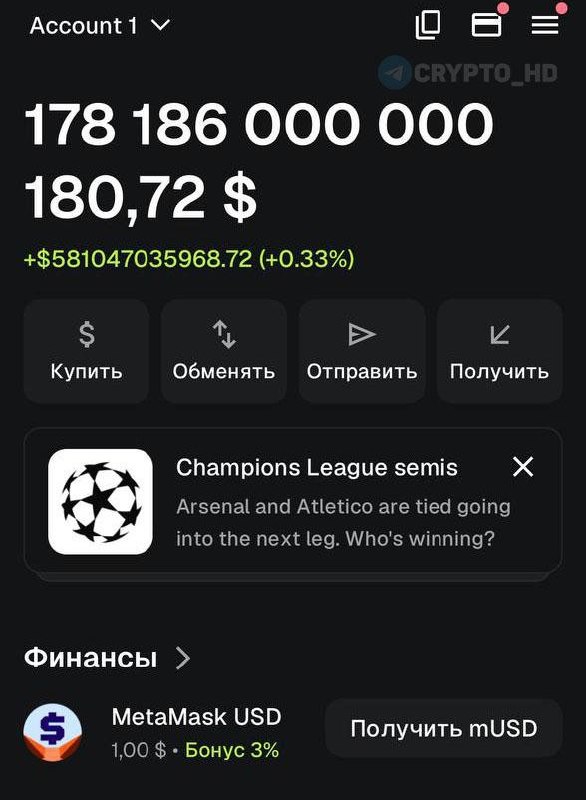
The confirmed claim is narrow. According to the wire/TG alert, MetaMask had a failure and some users saw wrong balances. That’s it. Most headlines will try to stretch that into a market story. That’s only half right. This is first a wallet infrastructure story, not a confirmed market move. If a wallet shows the wrong number, traders may stop before moving ETH, swapping tokens, checking stablecoins, or reviewing collateral. The chain can be fine while the app still makes people freeze.
Analysis/context: A MetaMask balance display issue is mainly a trust problem unless there is evidence that funds moved or smart contracts broke. Ethereum.org describes wallets as tools for using Ethereum accounts and apps, while the blockchain records account activity. MetaMask sits close to everyday crypto behavior: ETH transfers, NFTs, stablecoin movement, token swaps, and DeFi access. Why does this matter? Because users do not experience crypto through protocol diagrams; they experience it through the number staring back at them in the wallet. My take: a bad balance screen can rattle users faster than a long debate about protocol design. ETH traders should keep interface risk separate from chain risk. A MetaMask portfolio balance inaccurate warning does not prove funds moved, assets disappeared, or contracts failed.
Analysis/context: Wallet reliability matters because people make fast financial decisions from wallet screens. Sometimes too fast. MetaMask Support says users can verify balances and transactions through blockchain explorers when wallet data looks wrong. Counter to the usual advice, “just check the chain” is useful but not enough for normal users under pressure. COIN, ETH, and BTC investors should still pay attention because front end failures can become political or regulatory talking points, even when the original source only says some MetaMask users saw incorrect balances. The alert did not mention an SEC action, CFTC action, lawsuit, ETF update, enforcement move, exploit, or custody failure.
Market context: A wallet balance display failure matters to markets if it changes how users handle liquidity, swaps, transfers, or collateral checks. Is this overkill for a display bug? Not if the affected wallet is MetaMask and the assets in view include ETH, stablecoins, and DeFi positions. Traders should watch whether the issue affects ETH liquidity and stablecoin flows instead of reacting to a thin headline. If users cannot load MetaMask balances at scale, the first clues would likely be delayed swaps or failed wallet checks. Then come more blockchain explorer lookups and weaker confidence in DeFi dashboards. The source did not report a BTC, ETH, or COIN price move. Any market reaction is interpretation, not confirmed fact.
What this means
The MetaMask balance not showing report points to an uncomfortable part of crypto adoption: self custody still depends on users trusting the wallet screen in front of them. People remember that only when the screen breaks. Yes, this sounds like it contradicts the point about separating interface risk from chain risk. Bear with me. For ETH and DeFi linked protocols, the issue is not proof of broken on-chain accounting; it is confidence in balances, portfolio views, transaction readiness, and collateral visibility. Watch ETH spot liquidity and DeFi activity in the next trading session after the alert, especially if MetaMask gives the scope, cause, or resolution.
There is no price level to watch from the source because the post did not give one. Skip the fake precision. Watch whether BTC, ETH, and COIN react to any MetaMask follow-up, and whether traders treat this as a brief display bug or a broader wallet reliability problem. Users can compare wallet balances with blockchain explorer data to separate a display issue from on-chain asset movement. Next: monitor MetaMask status updates and exchange ETH flows. Also watch DeFi transaction activity, stablecoin transfers, and CME crypto data after the next daily close.
FAQ
What is the MetaMask balance display issue?
A MetaMask balance display issue happens when the balance shown in MetaMask looks wrong, missing, delayed, or inconsistent with expected on-chain records.
Did the alert say user funds were stolen?
No. According to the wire/TG alert, some users saw incorrect balances. The alert did not say funds were stolen, moved, or lost.
Does MetaMask balance not showing mean the Ethereum blockchain failed?
No. A wallet display issue does not prove that Ethereum, token contracts, or DeFi protocols failed.
How can users verify a MetaMask balance?
MetaMask Support says users can check wallet activity and token balances against blockchain explorer records when the app display looks wrong.
Why does this matter for ETH traders?
MetaMask is widely used for ETH transfers, token swaps, DeFi access, NFT activity, and stablecoin movement. If balances look wrong, traders may slow down or double-check everything, even without a confirmed on-chain failure.
Did the source report a BTC, ETH, or COIN price move?
No. The source did not report a BTC, ETH, or COIN price move tied to the MetaMask balance display issue.
What should traders watch next?
Traders should watch MetaMask status updates, ETH liquidity, exchange flows, DeFi activity, stablecoin transfers, and any official explanation of the issue.