















































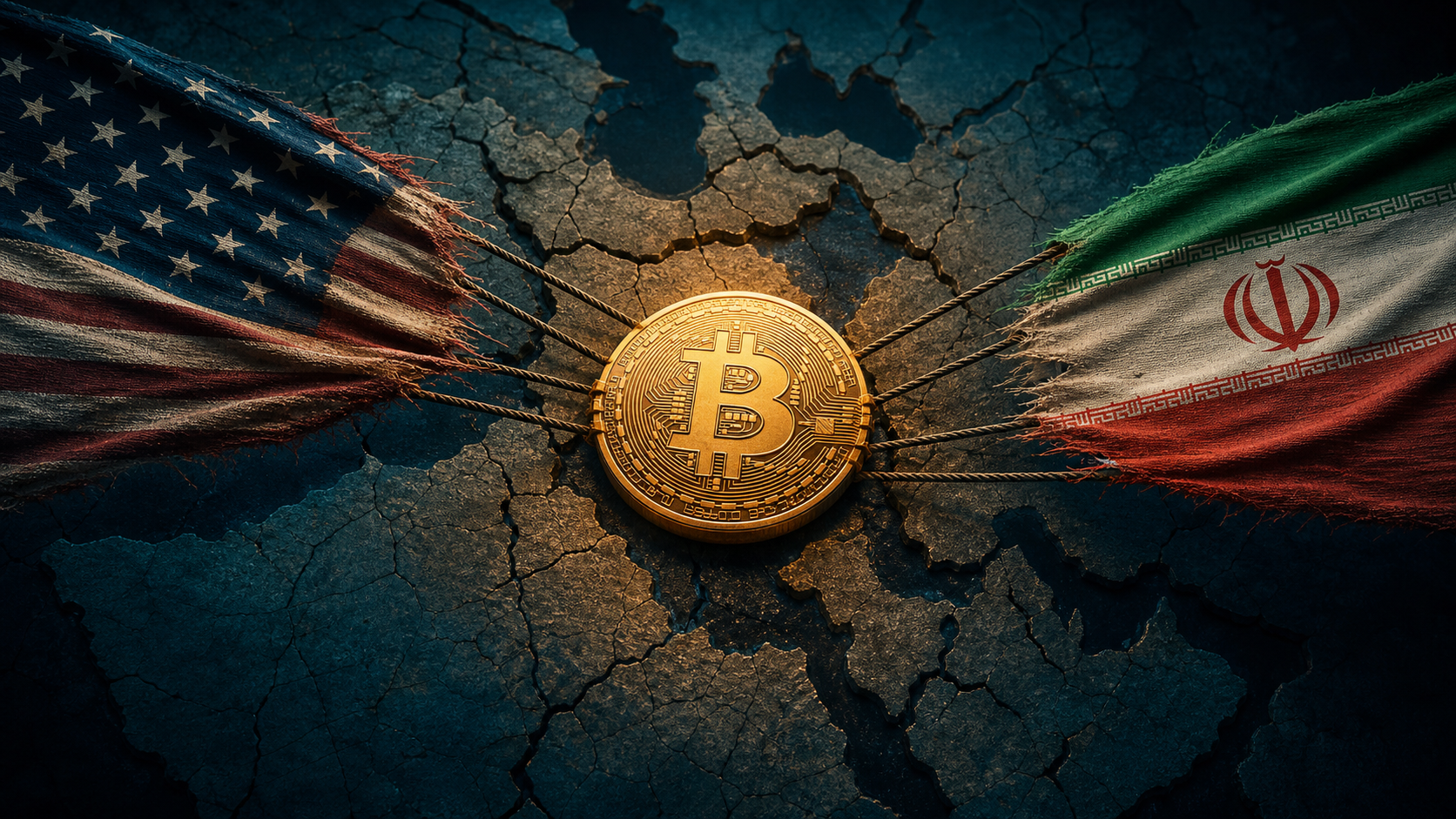
Trump Iran threats negotiations: Bitcoin’s safe haven story gets a real test
Donald Trump’s threat of “unprecedented strikes” against Iran, plus intelligence reports about an alleged plot to assassinate the US President, put crypto traders on edge fast. The timing is awkward. Talks are still expected. The language, though, is hot enough to bring back the old question: does Bitcoin still behave like a hedge when geopolitics gets ugly? My take: sometimes, but not cleanly. In past Middle East crises, BTC has sometimes gained 4-7% within 72 hours. Useful history. Not a trading system.
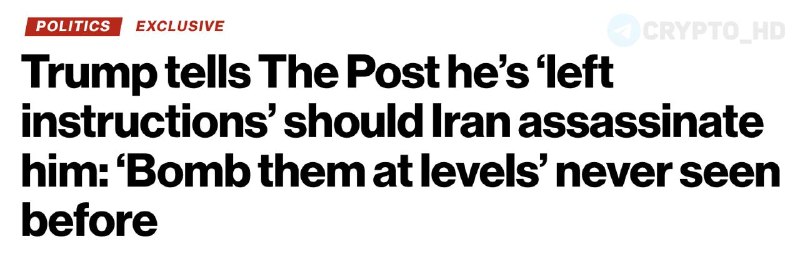
The New York Post reported that Trump ordered “strikes of unprecedented force” against Iran if he is harmed. The report followed Israeli intelligence shared with the US about alleged Iranian planning for an assassination attempt on the American president. At the same time, Axios reported that the US and Iran are expected to hold another round of talks next week in Switzerland, with regional intermediaries trying to restart dialogue after several tense days. So what are traders supposed to price here? Both things at once: threats on one side. Diplomacy on the other.
The market angle is blunt. When geopolitical risk jumps, investors tend to reach for assets they believe can hold value. Gold is still the default answer. Bitcoin has spent years trying to earn a similar label, although I will be honest: the comparison has always felt cleaner in pitch decks than on actual trading screens. After the January 2020 Soleimani strike, BTC rose about 8%, moving from roughly $7,000 to more than $7,600 in the immediate aftermath. Similar moves appeared during other regional flare-ups. Most guides say that supports the “digital gold” case. That’s only half right. If the Swiss talks stall and BTC catches a bid, the argument gets fresh support. If it goes nowhere, or breaks support near $61.4K, that story starts to look weaker fast.
The rest of crypto may not get the same lift. This is where the easy narrative breaks. When fear rises, money usually leaves riskier trades first, and that can hit altcoins harder than BTC. Ethereum and smaller tokens could struggle if investors decide they want less exposure, not more. Institutional desks are already watching rates, inflation prints, and Fed signals, so another US-Iran scare gives them one more reason to reduce risk. Why does this matter? Because a Bitcoin rally can coexist with a weak crypto tape. If tensions drag on, capital could move out of higher beta crypto names and into BTC, stablecoins, cash, or simply sit on the sidelines. A Bitcoin rally does not automatically mean the whole crypto market is healthy.
What this means
This round of Trump Iran threats negotiations gives Bitcoin’s safe haven story a real test. BTC probably needs a clean move higher to keep that argument convincing. If it slips under $61.4K, traders may read that as a sign that institutional buyers are not treating it like digital gold this time. Counter to the usual advice, I would not reduce this to one support level and call it done. It could also mean macro pressure is just too heavy. On the other hand, a sharp rally during a fresh escalation would give the hedge argument more weight, even for skeptics like me.
The next thing to watch is the US-Iran meeting expected in Switzerland next week. If talks break down, or if either side raises the temperature again, volatility can arrive quickly. Is this overkill? For BTC right now, no. CME Bitcoin futures are worth watching too, especially open interest and whether long positioning builds during the stress. Rising long interest would suggest traders are still buying the safe haven case. Falling interest would point the other way. For spot BTC, $61.4K remains the level that matters. A break below it opens the door to more downside. A strong bounce keeps the bullish case alive. We tried the simple version. It broke.