















































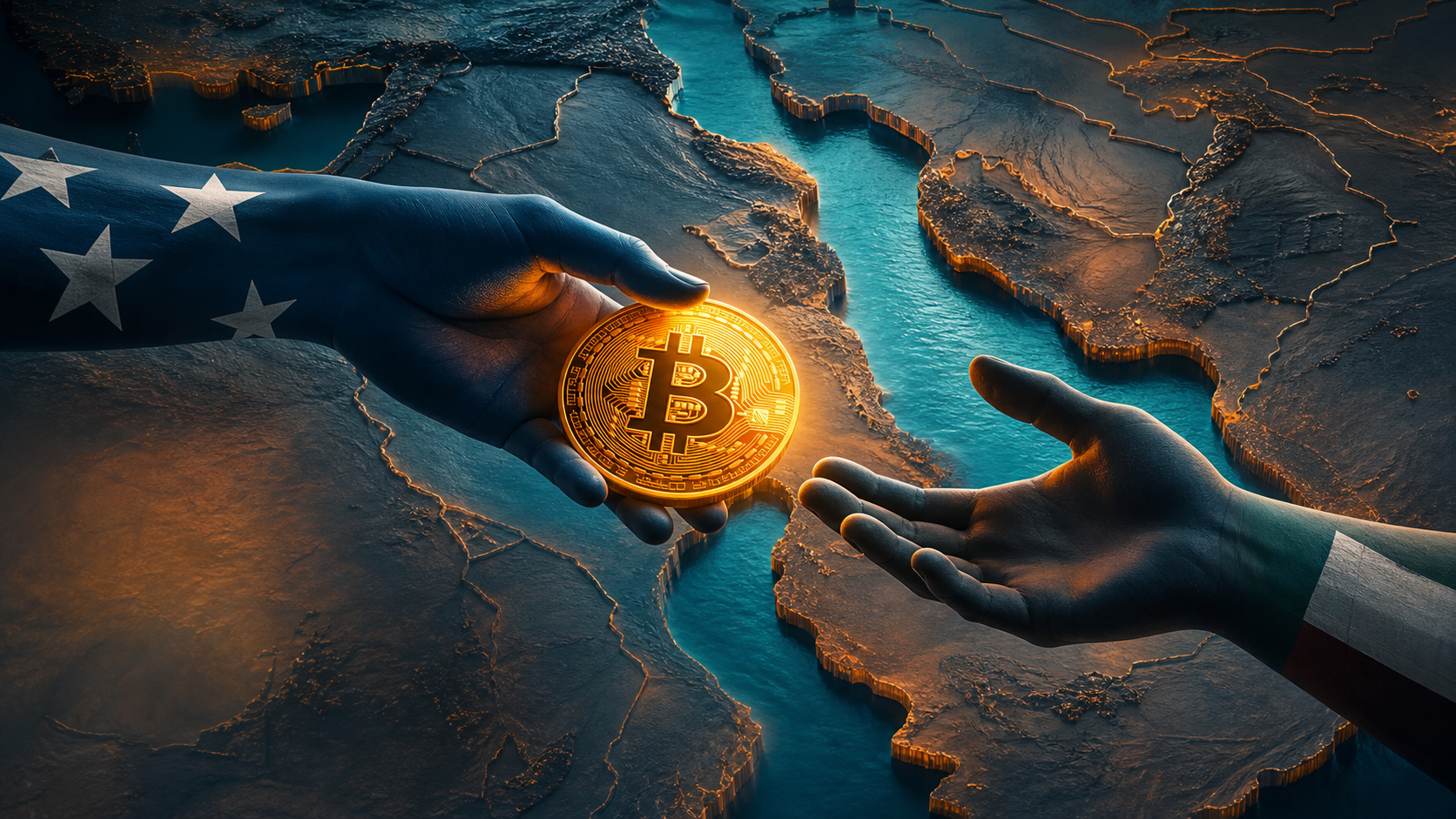
US-Iran Negotiations: Middle East Tensions Could Reignite Bitcoin’s Safe-Haven Bid
US-Iran talks in Switzerland ended with both sides saying they want a deal within 60 days. Fine. That is the calm version. My take: markets may not stay calm for long. The backdrop is still tense, and Donald Trump’s threat of new strikes dragged Bitcoin’s safe-haven story back into view. In past Middle East flare-ups, BTC has sometimes moved fast, rising about 4-7% within 72 hours.
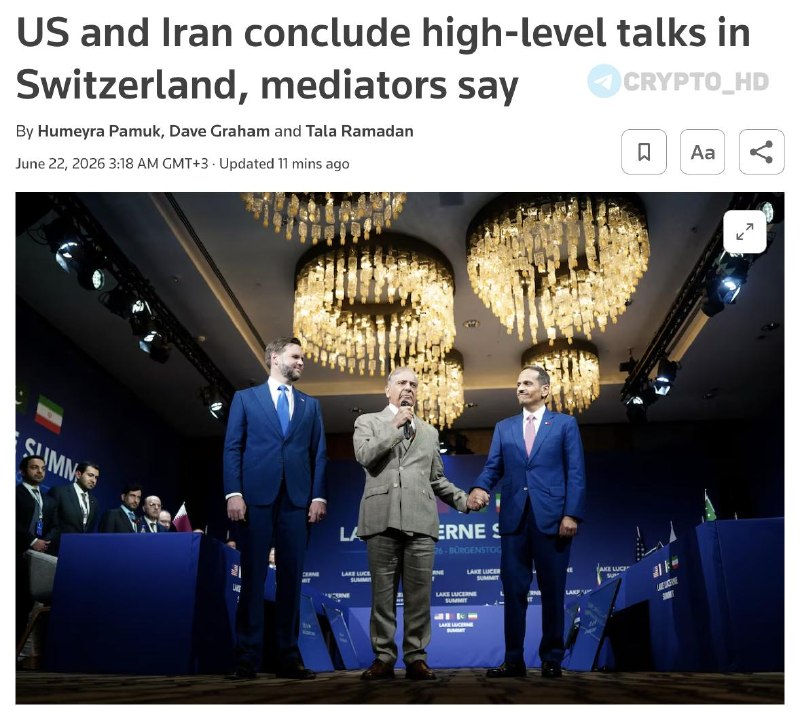
The first round of talks, mediated by Qatar and Pakistan, ended with both sides agreeing on a roadmap for a wider deal. Technical talks are set to continue this week. Iran says it won concessions: looser oil export restrictions, access to some frozen assets, and an economic recovery program. There was more: safe vessel passage through the Strait of Hormuz, plus a monitoring system for the Lebanon ceasefire. In a quieter week, that would have been the headline. It was not. Trump then warned Iran of “new strikes” if Tehran tried to block the strait again. Iran’s delegation reportedly refused to continue four-party talks after that, though messages kept moving through Qatari and Pakistani intermediaries. So is diplomacy still alive? Yes, but it is limping.
That mix of diplomacy and threats matters for crypto’s safe-haven pitch. Most guides frame Bitcoin as either a hedge or a risk asset. That’s only half right. When the Middle East gets unstable, Bitcoin often draws interest from traders looking outside traditional markets, even if the asset itself still behaves messily. During the January 2020 Soleimani strike, BTC rose 8% within days. The Strait of Hormuz makes this harder to wave away. It is an oil chokepoint. Oil shocks leak everywhere. I’ll be honest: I would not call Bitcoin a clean safe haven. It still trades like a risk asset plenty of the time. But enough people believe the story for it to affect price. In late 2023, a smaller burst of tension helped BTC briefly touch $44,000 before it cooled off. Traders are now watching whether this agreement holds or cracks, with $61,400 still the resistance level everyone keeps circling.
The macro flow angle matters too. If oil keeps moving freely and the region cools down, energy inflation should ease. That could matter for the Federal Reserve, because lower inflation gives the Fed more room to soften its stance. Risk assets usually like that setup, including Ethereum (ETH). Counter to the usual advice, the crypto trade here is not just “buy the war scare.” The cleaner move may come if rates expectations loosen while oil stays contained. If talks fall apart, the opposite happens. Oil can jump. Inflation fears return. Central banks have less reason to cut rates or sound dovish. Crypto usually hates that setup. Why does this matter? Because markets are already pricing in some geopolitical risk, so any surprise, good or bad, will probably hit crypto prices fast. The irritating part is the inflation backdrop. There is not much room for another outside shock. A Middle East conflict would not land in a vacuum.
What this means
The US-Iran talks put Bitcoin’s hedge narrative back under pressure. If the 60-day process produces a durable agreement, safe-haven demand for BTC may fade, leaving traders to focus on institutional buying and ETF flows. Chain-specific stories would get more room too. If the threats keep coming, the mood can change quickly. Yes, that sounds like it contradicts the “agreement” framing above. It does, and that is the point: the market is trading the gap between signed language and military language. BTC and ETH could both see sharp moves, especially if the negotiation window brings another Hormuz scare or fresh military warning.
Watch official statements from the United States and Iran first. Qatar and Pakistan matter because the messages are still moving through them. Oil prices matter too. A sudden move higher in crude would be one of the clearer signs that traders are taking escalation seriously. For crypto, $61,400 is the BTC level to watch on the upside. A clean break above it could point to renewed safe-haven buying. A move below $58,000 would suggest the market is fading the geopolitical risk, at least for now. Is this overkill for one negotiation window? No. The 60-day deadline is the next marker, and by then markets should have a better read on whether this is a real thaw or another pause before tensions heat up again.